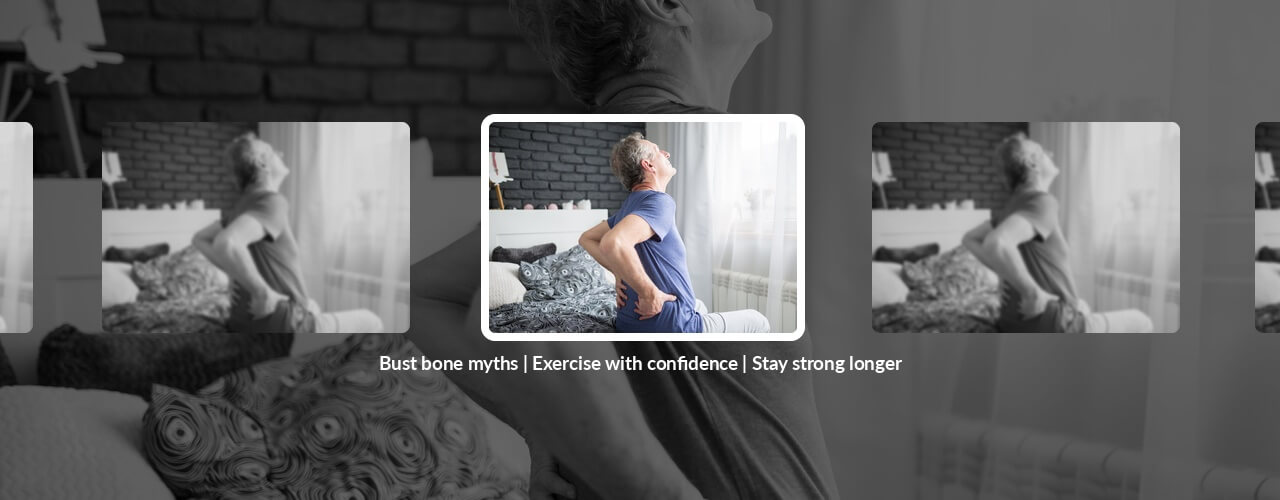
Osteoporosis changes the strength of your bones, but it does not mean you must give up an active life. Misunderstandings about back pain from osteoporosis can make people afraid to move or seek help. Physical therapy can provide safe ways to strengthen your body and stay involved in activities that matter to you.
Back pain from osteoporosis is a physical therapy presentation that responds to the right kind of loading and movement support. Optimus Health Center builds that support around your spine and your activity goals. Book your evaluation today.
Clearing Up the Myths About Back Pain From Osteoporosis
Myth 1: Osteoporosis Means You Should Stop Being Active
Fact: Safe movement is an important part of protecting bone and muscle health. Long periods of inactivity can lead to muscle loss and make everyday movement feel harder.
A physical therapist can select weight-bearing and resistance exercises based on your abilities and health needs. For someone with back pain from osteoporosis, this may include gradual strengthening, balance work, and practice with safe ways to bend, lift, and move.
Myth 2: Osteoporosis Back Pain Is Untreatable Without Medication
Fact: Medication and physical therapy have different roles in osteoporosis care. Medical providers may manage bone health, while physical therapy addresses factors that affect movement and function.
Your physical therapist may work on trunk and hip strength, balance, walking, and movement control. These strategies can reduce stress on sensitive areas and make activity more comfortable.
Medical care remains important for osteoporosis. New or unexplained back pain should also be medically evaluated when a fracture or another health problem may be involved.
Myth 3: All Exercise Is Dangerous When You Have Osteoporosis
Fact: Exercise is an important part of osteoporosis management when it is chosen carefully. The key is matching the exercise to the person rather than avoiding loading altogether.
A physical therapist considers bone health, strength, balance, symptoms, and movement ability. Treatment for back pain from osteoporosis may then use progressive resistance and weight-bearing activities within appropriate safety limits.
Certain movements may need to be changed when fracture risk is higher. Your therapist can teach safer ways to exercise without taking movement away from your life.
Myth 4: Osteoporosis Back Pain Is Just a Normal Part of Aging
Fact: Getting older does not mean ongoing back pain should simply be accepted. Osteoporosis can affect the spine, while weakness and changes in how the body handles physical loads can add to symptoms.
Physical therapy can target factors that can be changed. Improving strength, balance, endurance, and movement skills may help you feel more capable during walking, exercise, household tasks, and recreation.
Myth 5: A Scan Showing Bone Loss Means Physical Therapy Cannot Help
Fact: A bone scan provides useful information about bone health. It does not show everything that affects how well you move or what activities you can perform.
A physical therapy assessment looks at strength, balance, walking, movement patterns, and tolerance for physical activity. These findings can guide treatment for back pain from osteoporosis while your medical provider continues to manage your bone health.
Myth 6: You Should Wait Until Pain Becomes Severe Before Seeking Physical Therapy
Fact: You do not need to wait until back pain greatly limits your life. Addressing changes in strength, balance, or movement earlier can help protect your ability to stay active.
Physical therapy can also teach you how to load your body more safely. This may help you keep exercising instead of slowly giving up activities because you are unsure what is safe.
What Evidence-Informed Physical Therapy Does for Osteoporosis-Related Back Pain
At Optimus Health Center, your physical therapist assesses how your spine and the rest of your body respond to movement and physical demands. Treatment may include progressive strengthening, weight-bearing exercise, balance training, movement practice, and education about safer ways to handle everyday loads.
Manual therapy may sometimes be used carefully to support comfort or movement. Exercise and active treatment remain central because muscles and bones need appropriate physical demands to stay strong.
Physical therapy also works alongside medical osteoporosis management. If symptoms suggest a possible fracture or another medical concern, your physical therapist can recommend further medical evaluation.
Back pain linked to osteoporosis does not have to define what you can and cannot do. Optimus Health Center helps you understand what physical therapy can change about that picture. Reach out to arrange your evaluation.
Tags: balance work, Bone Health, resistance training, safe lifting