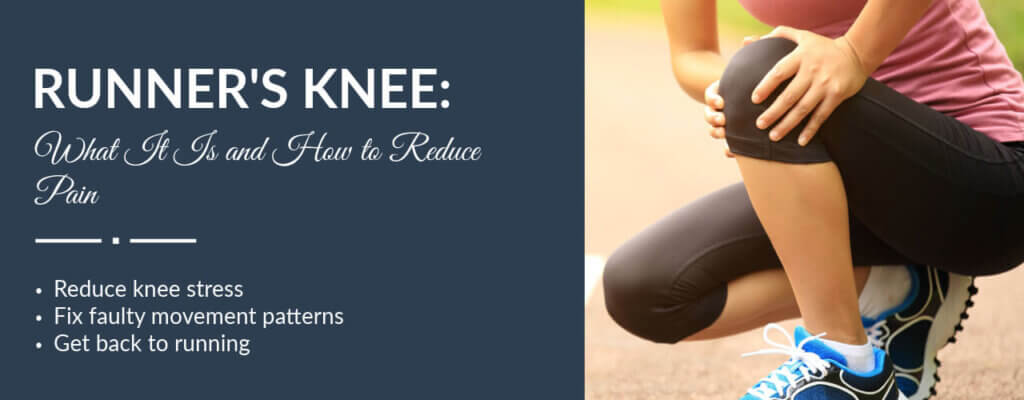
If you’re an active runner, the last thing you want to deal with is a nagging pain around your kneecap that just won’t go away. Known commonly as runner’s knee, this condition can disrupt your daily life and keep you from hitting the trails.
There is some good news, though. Runner’s knee responds well to physical therapy, so many people can find an effective, drug-free treatment with some help from the team at Optimus Health Center.
Today, we want to explore this condition: what it is, why it happens, and how our team can get you back on track.
Understanding Runner’s Knee: Causes, Symptoms, and Risk Factors
Runner’s knee is not a single injury but a general term for pain around the kneecap. Clinically referred to as patellofemoral pain syndrome, it typically develops from repeated stress on the knee joint. Whether you’re logging daily miles or just starting your running journey, it’s important to understand what’s happening inside your knee.
Why It Happens
The condition occurs when the kneecap is not tracking properly over the femur (thigh bone) during movement. Repeated bending and straightening of the knee can irritate the cartilage underneath the kneecap or strain the surrounding soft tissues.
So, what makes the kneecap not track properly? Some of the potential culprits include:
- Overuse or increasing training intensity too quickly
- Weakness in hip or thigh muscles
- Poor foot mechanics (like flat feet or overpronation)
- Misalignment of the knee joint
- Inadequate warm-ups
- Improper footwear
Understanding Your Risk
Certain factors can increase your likelihood of developing runner’s knee, such as:
- High-impact sports (running, jumping)
- Muscle imbalances or weakness in the lower body
- Inadequate recovery time between workouts
- A history of knee injuries
- Poor biomechanics during movement
Recognizing the Symptoms
Symptoms can vary, but the most frequent complaints include:
- Dull, aching pain around or behind the kneecap
- Pain that worsens when walking down stairs, squatting, or sitting for long periods
- Popping or grinding sensations in the knee
- Swelling or tenderness around the kneecap
These signs indicate that your knee isn’t handling stress properly, and ignoring them can lead to more serious issues over time. So, if you notice any of these symptoms, schedule an appointment with Optimus Health Center. The earlier you start addressing them, the better off you’ll be!
How Physical Therapy Can Help Reduce Pain and Restore Movement
You don’t have to give up running to get relief from a runner’s knee. Our team offers several strategies to help manage your pain.
Acute Pain Management
We can help manage inflammation and discomfort through several techniques, including manual therapy or advanced modalities such as electrical stimulation. These tools can provide short-term relief while you work on building long-term strength and stability.
Targeted Strengthening and Mobility Work
In addition to acute pain management, one of the first things we’ll do is assess your movement patterns and identify weaknesses contributing to knee misalignment. From there, we’ll create a tailored exercise program that might include:
- Strengthening exercises for the quadriceps, hamstrings, glutes, and hips, which ensure the knee gets proper support
- Stretching routines for tight muscles, such as the iliotibial (IT) band and calves, which help restore proper movement
- Balance and coordination training to improve joint control
Gait and Movement Analysis
We might also conduct a gait analysis–a more focused assessment that looks at your running form and identifies faulty mechanics that might contribute to your pain. We’ll then guide you through gait training to improve your running stride and cadence. Many patients find that this process helps boost their overall performance!
Don’t Let Runner’s Knee Hold You Back
This condition can be frustrating, but it’s highly treatable. You just need a physical therapist to help you understand what’s causing the pain in the first place.
If you’re ready to take the first step toward relief, schedule an appointment with Optimus Health Center. Let us help you get back to running stronger than ever.
Tags: knee pain relief, gait analysis, running injuries, sports recovery